

When the power goes out, your fuel options should not. A gasoline-only portable generator can leave you stranded if fuel supplies run low or degrade over time. Converting your generator to run on multiple fuels provides crucial flexibility for emergencies, camping trips, and off-grid living. This guide is for homeowners, RV enthusiasts, and preppers seeking to unlock the full potential of their portable power source.
We have assessed the leading aftermarket kits that enable your generator to burn propane, natural gas, and gasoline. By adding a tri-fuel capability, you gain access to cleaner-burning, longer-storing fuel sources. Let’s explore the top kits available in 2026 to help you make an informed decision. For those considering a complete system, our review of the best all-weather tri-fuel generators for home backup offers valuable insights.
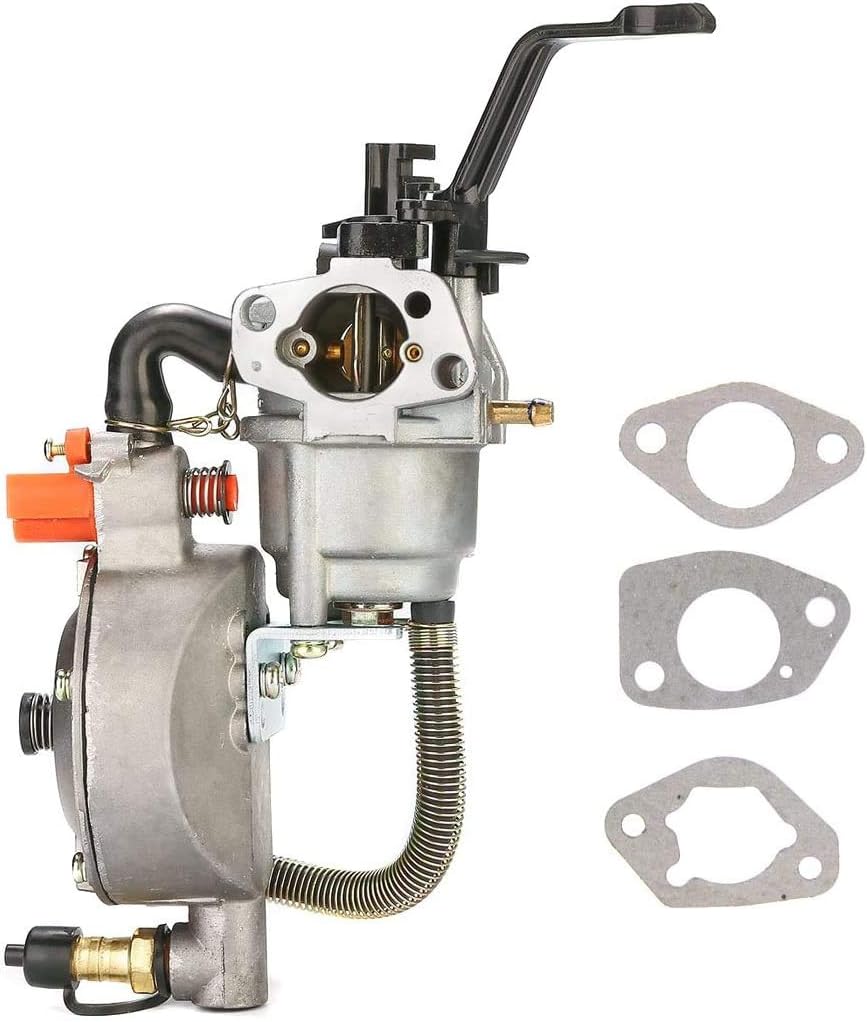

Buying Guide for Tri-Fuel Conversion Kits
Verify Your Generator’s Compatibility
This is the most critical step. A kit must match your generator’s engine model, displacement, and carburetor type. Check the manufacturer’s specifications against your generator’s manual. The HIPA 389cc 420cc Tri Dual Generator Carburetor, for example, is designed for Honda GX-series clone engines in a specific displacement range.
Look for compatibility with your generator’s brand and part number. Incorrect fitment can lead to poor performance or safety issues. Always confirm physical clearance in your engine compartment before purchasing any conversion kit.
Assess the Kit’s Completeness and Features
A complete kit saves time and frustration. Look for kits that include the carburetor adapter, fuel regulator, hose, clamps, and all necessary fittings. The Propane Conversion Kit for Predator 3200/4000W is noted for providing everything needed for a full conversion.
Key features enhance safety and usability. A three-position rotary switch with a dedicated OFF position prevents gas leaks. A manual choke lever ensures reliable cold starts in various weather conditions, a feature highlighted in the HIPA kit’s design.
Consider Your Primary Fuel and Use Case
Your intended use dictates the best fuel choice. Propane is excellent for emergency storage and camping due to its long shelf life. Natural gas is ideal for permanent home backup if you have a supply line. Gasoline remains a portable, high-energy option.
Think about where you will use the generator most. For powering multiple appliances during an outage, the fuel flexibility offered by these kits is invaluable. Learn more about capacity planning in our guide to the best tri-fuel generators for multiple appliances during power outages.
Evaluate Installation Skill Requirements
Most kits are designed for DIY installation with basic tools. However, you must be comfortable with small engine maintenance and follow all safety instructions precisely. The process typically involves removing the air filter, swapping the carburetor or adapter, and connecting the new fuel line.
If you are unsure, consult a professional technician. Proper installation is non-negotiable for safe operation. Using propane or natural gas incorrectly can be hazardous. Always perform the conversion in a well-ventilated area and check for leaks before operation.
Final Thoughts
Adding tri-fuel capability to your portable generator is a smart upgrade for fuel security and operational flexibility. For Predator 3200W or 4000W generator owners seeking a straightforward, complete kit, the Propane Conversion Kit for Predator 3200/4000W is an excellent choice. If you need a versatile carburetor replacement for a wider range of Honda-clone engines from 340cc to 460cc, the robust HIPA 389cc 420cc Tri Dual Generator Carburetor offers proven reliability and essential safety features. Both solutions empower you to choose the best fuel for any situation.
Frequently Asked Questions
What are the main benefits of converting my generator to tri-fuel?
The primary benefits are fuel flexibility, long-term fuel storage, and cleaner operation. Propane and natural gas do not degrade like gasoline, so you can store them safely for emergencies. These fuels also burn cleaner, producing fewer emissions and reducing carbon buildup in your engine, which can extend its life. This makes a converted generator a cornerstone of a reliable home backup plan, a topic explored further in our tri-fuel generators category.
Will using propane or natural gas reduce my generator’s power output?
Yes, you can expect a slight reduction in wattage output, typically around 10-15%, when running on propane or natural gas compared to gasoline. This is due to the lower energy density of these gaseous fuels. It is crucial to factor this derating into your power calculations, especially if you are operating near your generator’s maximum capacity on gasoline. Always prioritize the generator’s rated output on gas when sizing your needs.
Is a tri-fuel conversion kit safe for DIY installation?
Many kits are marketed for DIY installation and come with comprehensive instructions. Safety depends entirely on meticulous adherence to those instructions, using the correct tools, and verifying all connections for leaks. If you have experience with small engine repair and feel confident, it can be a manageable project. However, working with fuel systems carries inherent risk. If you have any doubts, hiring a certified technician is the safest course of action to ensure a proper and secure installation.
Can I still use gasoline after installing a conversion kit?
Absolutely. A key advantage of a true tri-fuel system is the ability to switch between fuels. Kits like the ones reviewed feature a selector valve that lets you choose gasoline, propane, or natural gas. This means you can use readily available gasoline for portable jobs and switch to stored propane for emergency backup. For those interested in the dual-fuel segment, our resource on dual-fuel generators provides additional context on fuel-switching capabilities.





Write Your Review
No reviews yet. Be the first to share your experience!