

When the power goes out, you need a generator you can trust not just to start, but to run reliably for the duration. For serious users, tracking that runtime is non-negotiable. An integrated hour meter transforms guesswork into precise data, telling you exactly when to perform oil changes and other critical maintenance.
This guide is for homeowners and professionals seeking robust backup power under 3000 watts who value longevity and proper care. We evaluate a top-tier model that combines substantial output with the smart feature of an hour meter, helping you protect your investment. For more options with vital safety tech, explore our roundup of the best generators under 3000W with automatic CO shutdown.

Buying Guide
Why an Hour Meter is Essential
An hour meter acts as the maintenance brain for your generator. It logs total runtime, providing an accurate schedule for oil changes, spark plug replacement, and air filter cleaning. This prevents premature wear and costly repairs, ensuring your unit is always ready when you need it most.
Without this tool, you are left estimating usage, which often leads to neglected maintenance or unnecessary servicing. A generator with a built-in meter removes the guesswork, promoting longer engine life and more reliable performance over many seasons.
Evaluating Power Output and Surge Capacity
Your generator’s wattage rating must match your intended load. Focus on both running watts and the higher surge capacity needed to start motor-driven appliances like refrigerators or pumps. A unit that operates comfortably at 80% of its rated load will be more efficient and last longer.
Consider what you need to power simultaneously. Essentials often include lights, a furnace fan, a refrigerator, and a few outlets. A generator in this category should handle these core needs with room to spare, preventing overload. You can find models with specific outlet types, like those detailed in our guide to the best generators under 3000W with GFCI outlets.
Fuel Type and Runtime Considerations
Fuel choice impacts convenience, runtime, and storage. Gasoline is widely available but has a shorter shelf life. Dual-fuel capability, allowing you to switch between gasoline and propane, offers valuable flexibility. Propane stores indefinitely and burns cleaner, which can mean less engine carbon buildup.
Check the rated runtime at a 50% load to understand how often you will need to refuel during an extended outage. A longer runtime means less frequent trips to refill tanks, which is a significant advantage during severe weather. For a broader look at models in this power range, visit our Under 3000 Watts category page.
Portability and Operational Features
Even a powerful generator needs to be movable. Look for sturdy, never-flat wheels and a robust handle frame. The weight distribution is key; a well-balanced unit is much easier to maneuver over rough ground or up a step.
Beyond the hour meter, evaluate starting mechanisms. Electric start with a battery is a major convenience. Also, consider noise levels, measured in decibels, and the presence of multiple outlet types for connecting various appliances directly. Modern conveniences like remote monitoring are covered in our review of the best generators under 3000W with Wi-Fi monitoring.
Final Thoughts
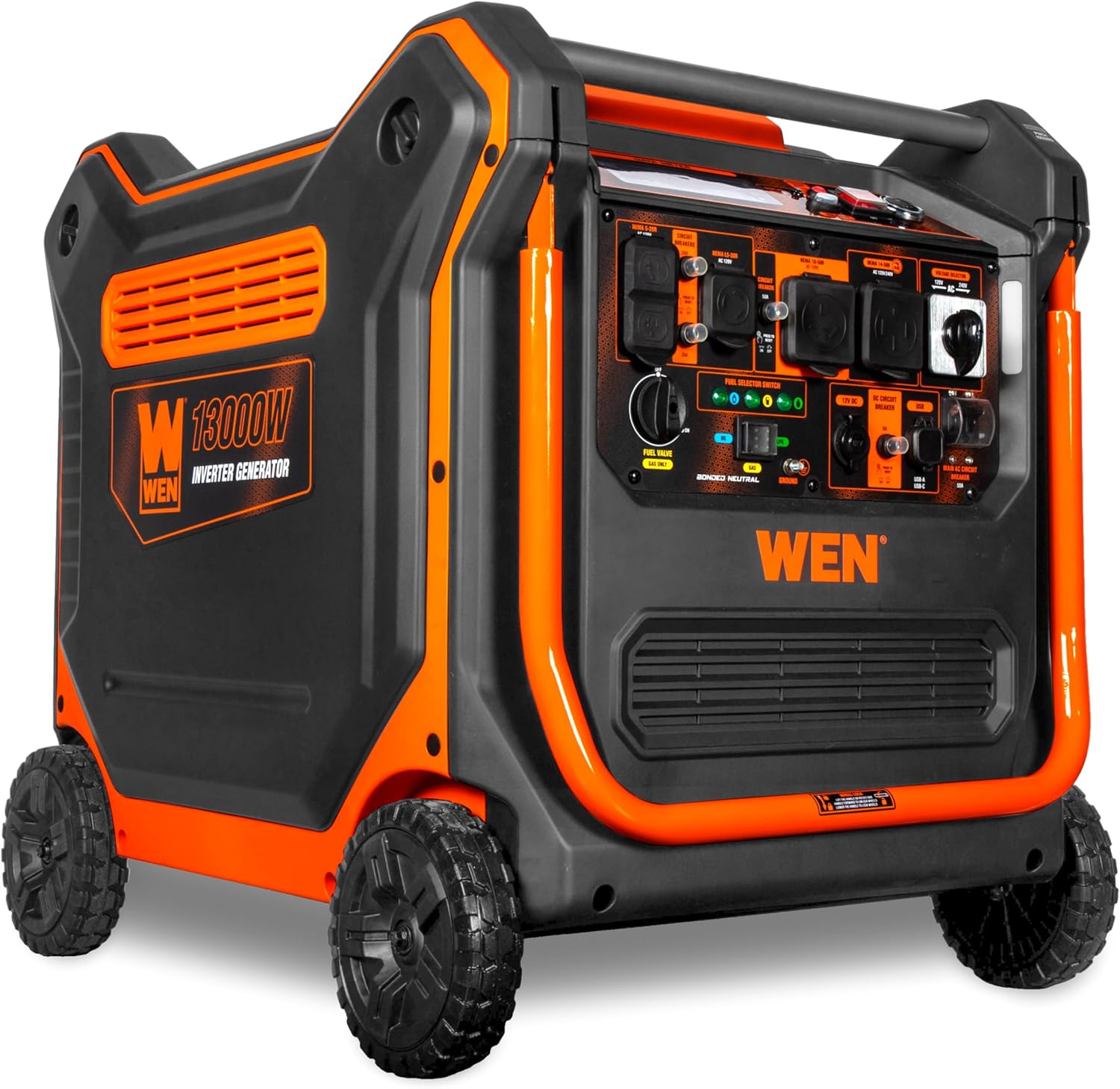
For those who demand reliable power and the data to maintain it properly, a generator with an integrated hour meter is the clear choice. Our top recommendation for robust performance and maintenance tracking is the DuroMax XP15000HX+ 15,000-Watt Electric Start Dual. Its combination of substantial power, dual-fuel flexibility, and the crucial hour meter makes it a standout for serious preparedness, ensuring you have both immediate power and long-term reliability for your home or job site.
Frequently Asked Questions
What does an hour meter do on a generator?
An hour meter tracks the total running time of the generator’s engine. This is the most accurate way to schedule routine maintenance tasks like oil changes, which are typically required every 50 to 100 hours of use. It helps prevent engine damage and ensures optimal performance.
Can I add an hour meter to a generator that doesn’t have one?
Yes, aftermarket hour meters are available and can be installed by someone with electrical knowledge. They usually connect to the ignition system to monitor when the engine is running. However, a factory-installed meter is generally more integrated, reliable, and neatly fitted into the control panel.
Is a 3000-watt generator enough to power a house?
A 3000-watt generator is sufficient for powering essential circuits in a home during an outage. This typically includes lights, refrigerators, a furnace fan, phone chargers, and a few small appliances. It is not intended to power an entire home with central air conditioning, electric heat, or all major appliances simultaneously.
How often should I maintain my generator based on the hour meter?
Always follow the specific maintenance schedule in your owner’s manual. Common intervals include checking the oil level before each use, changing the oil and filter every 50-100 hours, and replacing the spark plug and air filter every 100-200 hours. The hour meter allows you to follow this schedule precisely, rather than relying on memory or estimates.


Write Your Review
No reviews yet. Be the first to share your experience!