

Imagine a severe storm has knocked out the grid in your area. The lights are out, your sump pump is silent, and the food in your refrigerator is starting to thaw. For homeowners who rely on medical equipment, run a home business, or simply want to maintain comfort and security, a prolonged blackout is more than an inconvenience, it’s a serious problem. This guide is for anyone seeking a robust, long-term power solution capable of supporting an entire household’s essential and comfort loads. We focus on high-output systems that deliver reliable energy independence, with a detailed look at a premier hybrid inverter option that redefines whole-house backup.
Selecting a generator in this power class is a significant investment in your home’s resilience. You need a system that can handle starting surges from large appliances like air conditioners and well pumps while providing clean, stable power for sensitive electronics. Whether you’re preparing for seasonal weather events or building a comprehensive off-grid capability, understanding the capabilities of these powerful units is the first step. For a broader perspective on large-capacity options, explore our guide to the best 20kW portable generators.

Buying Guide for 10000+ Watt Generators
Power Output and Surge Capacity
The rated wattage tells you the continuous power a generator can supply. For whole-house coverage, you must calculate the total wattage of all appliances and systems you plan to run simultaneously. More crucial is the surge or starting wattage, which is the temporary burst of power needed to start motor-driven devices like refrigerators and air conditioners. A unit with a robust surge capacity ensures your generator won’t stall when a large compressor kicks on.
Always verify that the generator’s peak output exceeds the highest starting load in your home. Underestimating this requirement is a common mistake that leads to tripped breakers and potential equipment damage. Systems designed for whole-house use, like the AIMS Power Hybrid Inverter Kit, are engineered to manage these high-demand surges efficiently.
Fuel Type and Runtime
Generators over 10,000 watts typically run on propane, natural gas, or diesel. Your choice impacts fuel availability, storage, cost, and runtime. Propane stores indefinitely and burns cleanly, while natural gas offers a continuous supply if your home is connected to a municipal line. Diesel generators are renowned for their durability and fuel efficiency under heavy load.
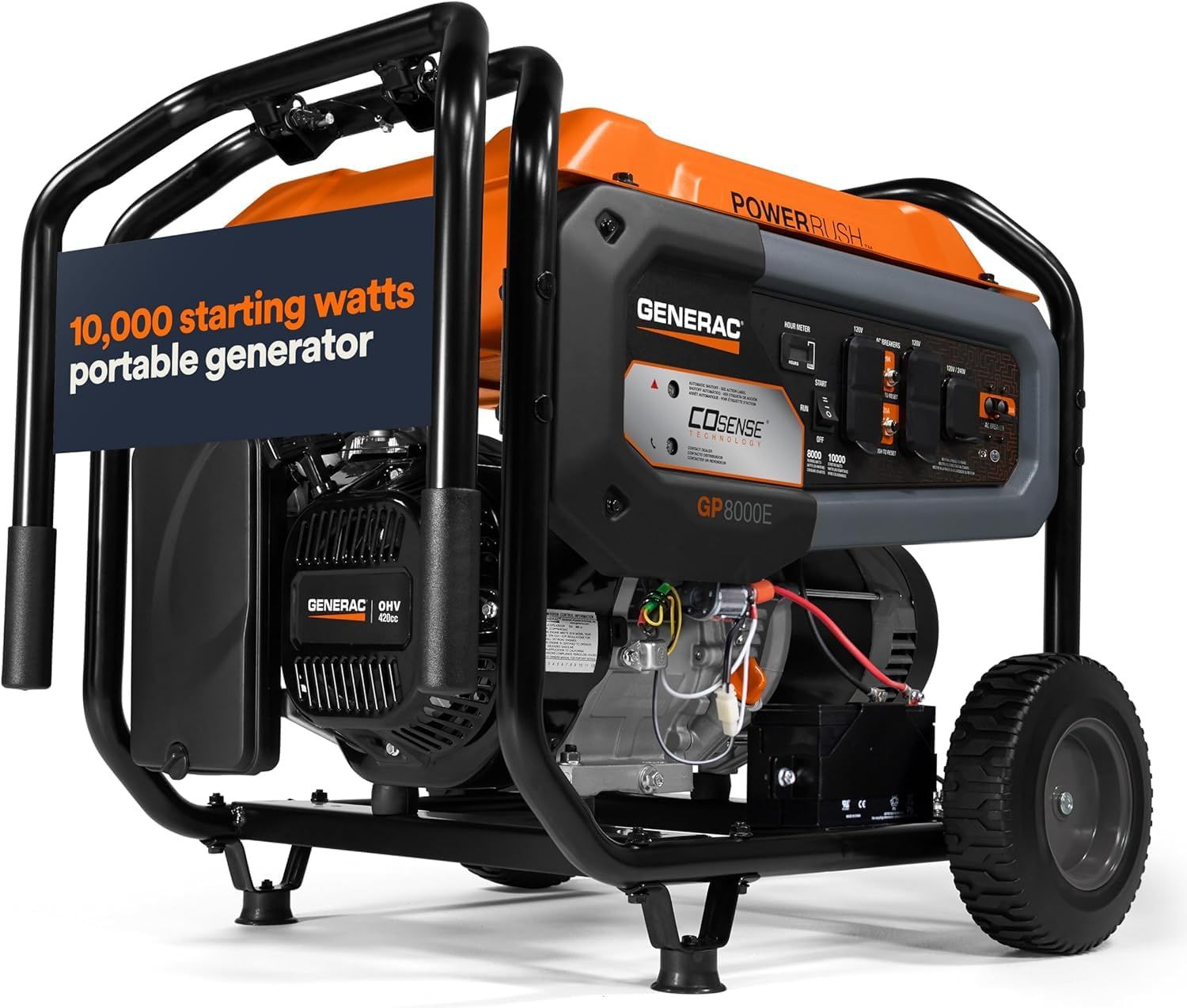
Consider how long you need the generator to run between refueling. During an extended outage, frequent refueling can be impractical and unsafe. Look for models with large integrated fuel tanks or the capability to be connected to external bulk fuel sources. For insights into different large-capacity formats, our review of open frame 10000W+ generators provides valuable comparisons.
Inverter Technology and Power Quality
Inverter generators produce clean, stable electricity with low total harmonic distortion (THD). This ‘clean power’ is essential for protecting sensitive modern electronics like laptops, flat-screen TVs, and smart home devices. Traditional generators can produce ‘dirty’ power that may cause damage or erratic operation over time.
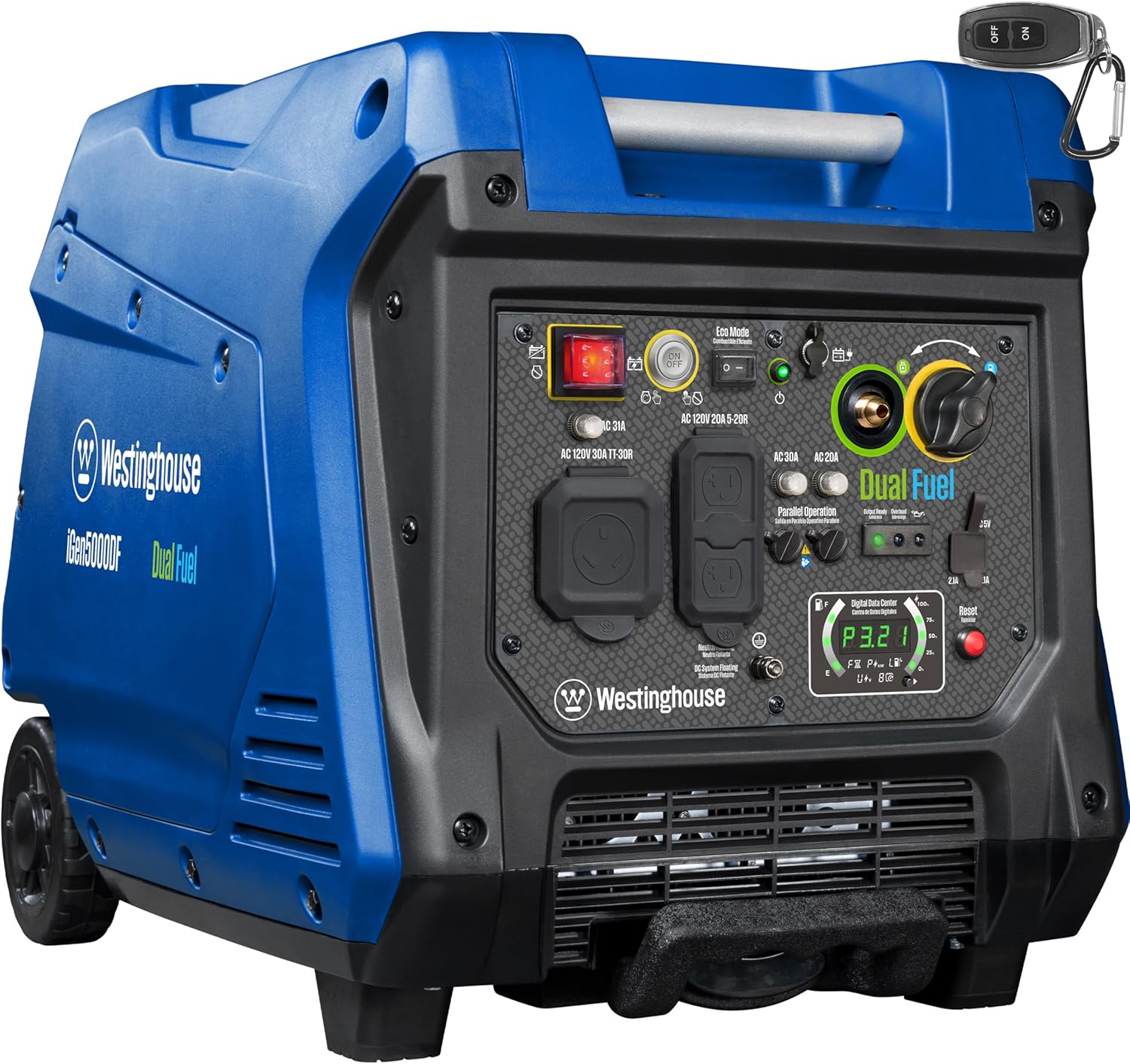
A hybrid inverter system, such as the one reviewed here, takes this a step further. It can integrate power from multiple sources, including solar panels and a battery bank, to supply your home. This not only provides superior power quality but also offers significant fuel savings and quiet operation when drawing from stored battery power.
Transfer Switch and Installation
A generator of this size requires a professional installation, including a transfer switch. This critical safety device isolates your home from the utility grid, preventing backfeed that could endanger utility workers. An automatic transfer switch (ATS) will start your generator and switch the load within seconds of an outage, providing seamless backup power without any manual intervention.
When planning your installation, factor in local permitting requirements, noise ordinances, and the necessary clearances for exhaust. Proper placement for ventilation and accessibility for maintenance is non-negotiable for safety and performance. Understanding the full scope of installation will help you budget appropriately and choose a system that fits your property’s layout.
Final Thoughts
Investing in a generator over 10,000 watts is a commitment to unparalleled home resilience and energy security. For those seeking a modern, integrated solution that combines grid backup with renewable energy potential, the AIMS Power Hybrid Inverter Kit represents a forward-thinking choice. Its ability to provide clean, quiet power from multiple sources makes it a standout for whole-house coverage. However, it’s always wise to compare options to find the perfect fit for your specific home and needs; you can explore other high-capacity models like those featured in our guide to the best 12500 watt generators for a comprehensive view of the market.
Frequently Asked Questions
What size generator do I need to power my entire house?
To power an entire house, you typically need a generator rated from 10,000 to 20,000 watts or more. The exact size depends on your home’s square footage, the number and type of major appliances (like central air conditioning or electric heat), and whether you want to run everything simultaneously or prioritize essential circuits. A professional load calculation is highly recommended for an accurate assessment.
Can a 10000+ watt generator be used with solar panels?
Yes, but it requires a specific type of system. A traditional standby generator cannot directly integrate with solar. You need a hybrid inverter system, like the AIMS Power kit reviewed here, which is designed to manage power from the grid, a generator, solar panels, and batteries. This creates a truly flexible and efficient home energy ecosystem that can significantly reduce fuel consumption.
How loud are whole-house generators over 10000 watts?
Sound levels vary by model and enclosure. Large open-frame generators can be quite loud, often exceeding 70 decibels. Enclosed standby units and inverter generators are much quieter, sometimes operating in the 50-60 decibel range, which is comparable to a normal conversation. For those prioritizing quiet operation, our resource on the best quiet 10kW generators is an excellent place to start your research for the 2026 market.
What maintenance does a large whole-house generator require?
Regular maintenance is crucial for reliability. This typically includes oil and filter changes, spark plug replacement, battery checks for electric-start models, and running the generator under load for at least 30 minutes monthly to keep components lubricated and prevent fuel system issues. Always follow the manufacturer’s specific maintenance schedule outlined in the owner’s manual.




Write Your Review
No reviews yet. Be the first to share your experience!