

Your inverter generator is a reliable source of quiet, clean power for camping, RV trips, or home backup. But what happens when gasoline is scarce, or you want a cleaner, longer-lasting fuel option? Storing gasoline long-term can lead to carburetor issues, and during an extended outage, you might need more flexible fuel sources. A tri-fuel conversion kit solves these problems by allowing your generator to run on propane, natural gas, and gasoline, giving you critical versatility when it matters most.
This guide is for generator owners who want to maximize their investment’s utility and preparedness. We have evaluated and compared the leading tri-fuel conversion kits for popular inverter generator models like Honda’s EU series, Predator, Firman, and others. Whether you prioritize a clean factory look, extended runtime, or simplified long-term storage, you will find a kit here to match your needs. For a broader look at fuel-flexible options, explore our main category on Tri-Fuel Generators.


Pros
- Exceptional fuel versatility allows operation on propane, natural gas, or gasoline depending on availability
- USA-manufactured components provide quality assurance and domestic supply chain support
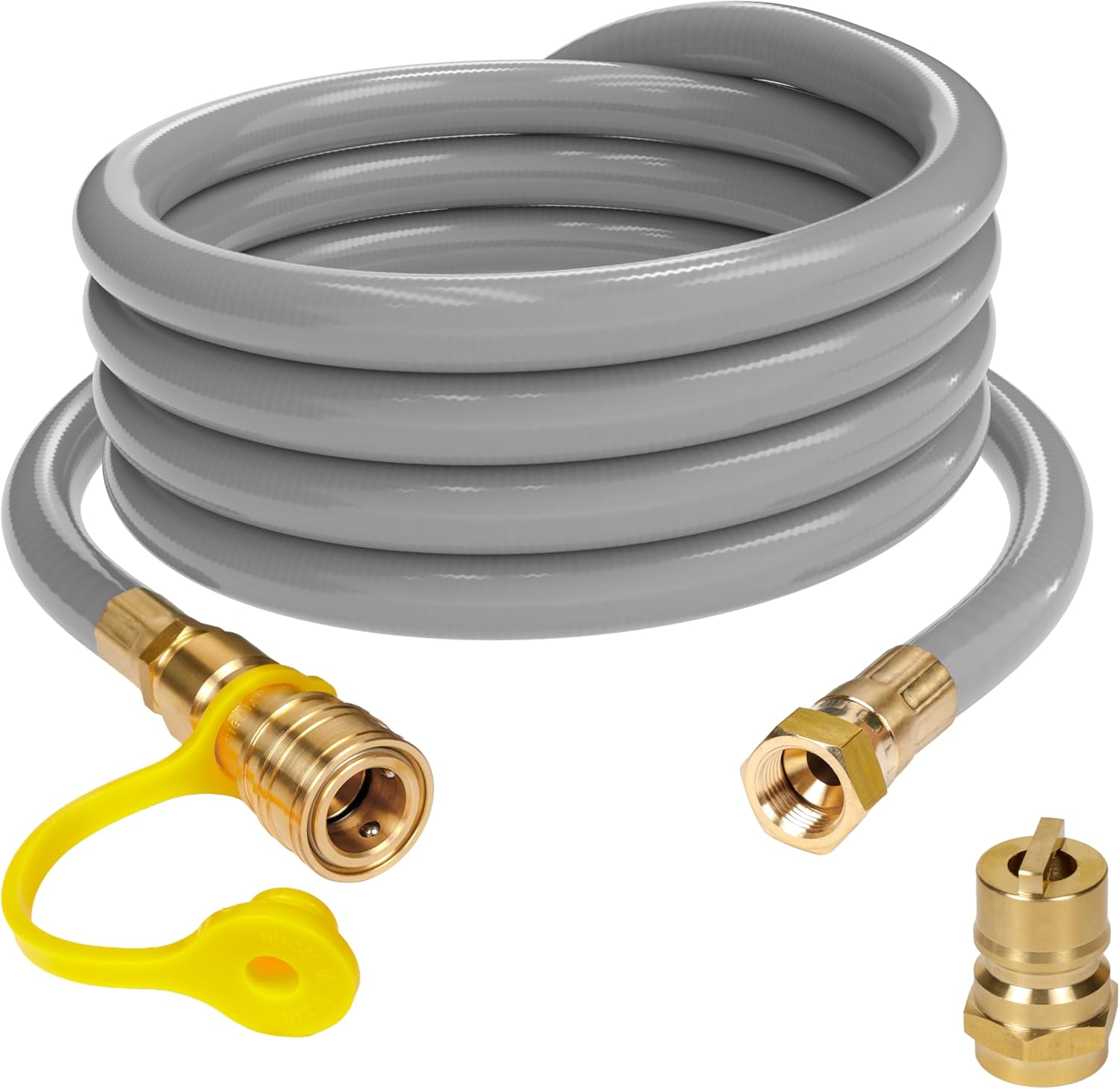
- Complete kit includes all necessary hoses and components for tri-fuel conversion
- Designed specifically for the WEN 56380I model, ensuring proper fitment and compatibility
- Electronic ignition system provides reliable starting across different fuel types
Cons
- Case modification is required for installation, which may deter users without mechanical experience
- Low customer rating suggests potential reliability or installation challenges that should be researched further
- Maximum inlet pressure specification of 13.8 inches of water column limits certain fuel configurations
The WEN 56380I Tri-Fuel Conversion Kit is designed for users who need maximum flexibility in generator fuel sourcing. This kit transforms your WEN 56380I inverter generator to run on high-pressure propane, low-pressure propane, low-pressure natural gas, or traditional gasoline, making it an excellent choice for emergency preparedness, commercial job sites, and remote locations where fuel options may vary.
The standout feature is undoubtedly the multi-fuel capability, which provides genuine operational flexibility that standard gasoline generators cannot match. The kit includes all necessary fuel supply hoses and components, and all parts are manufactured in the USA, reflecting a commitment to quality and domestic production standards. The 4-stroke electronic ignition system is designed to handle the demands of switching between fuel types reliably.
Installation does require case modification to accommodate the alternative fuel supply hose, which means this kit is best suited for users with mechanical aptitude or access to professional installation services. The maximum inlet pressure specification of 13.8 inches of water column should be verified against your intended fuel source to ensure proper operation.
The current customer rating is notably low, which warrants careful consideration before purchase. Potential buyers should thoroughly research installation requirements and any reported issues to understand whether challenges stem from the product design or installation complexity. Reading detailed user experiences will help determine if this kit meets your specific needs.
For users seeking a genuinely flexible fuel solution for the WEN 56380I and willing to invest time in proper installation, this tri-fuel conversion kit offers real value. However, the installation requirements and current feedback suggest this is best suited for experienced users or those planning professional installation.
Generator Model: WEN 56380I Inverter Generator
Power Output: 3800 watts
Engine Type: 4-stroke
Ignition System: Electronic
Fuel Types Supported: High-pressure propane, low-pressure propane, low-pressure natural gas, gasoline
Maximum Inlet Pressure: 13.8 inches water column (without included regulator)
Materials: Metals and plastics
Included Components: Fuel supply hose and various conversion components
Manufacturing: USA-made components
Recommended Use: Commercial and residential backup power, remote operations
Installation Requirement: Case modification needed for alternative fuel supply hose
Who Should Buy This Kit: This conversion kit is ideal for commercial users, contractors, emergency preparedness enthusiasts, and off-grid operators who need fuel flexibility. It works best for those with mechanical knowledge or access to professional installation services.
Installation Considerations: The kit requires case modification, which is not a simple plug-and-play upgrade. Budget time and potentially professional installation costs when planning your purchase. Verify that your intended fuel sources meet the maximum inlet pressure specifications.
Fuel Source Planning: Before purchasing, identify which fuel types you plan to use most frequently. Consider local fuel availability, storage requirements for each fuel type, and any safety considerations specific to your application.
Research Before Purchasing: Given the current customer rating, reach out to sellers or manufacturers with specific questions about installation challenges and compatibility. Request detailed installation instructions and clarification on any reported issues before committing to this kit.
Professional Installation Option: If you lack mechanical experience, consider budgeting for professional installation to ensure proper setup and optimal performance across all fuel types.


Buying Guide: How to Choose Your Tri-Fuel Kit
Compatibility Is Everything
The single most important factor is ensuring the kit is designed specifically for your generator’s make and model. A kit for a Honda EU2200i will not fit a Predator 3500. Check the product description and manufacturer specifications meticulously. Using an incompatible kit can lead to poor performance, voided warranties, or even damage.
Most reputable kits are engineered for a precise fit, requiring no permanent modifications to your generator’s carburetor. This plug-and-play approach preserves the option to revert to gasoline-only operation if needed. Confirm that all necessary hoses, brackets, and fittings for your specific engine are included.
Assess Fuel Source Priorities
While all tri-fuel kits offer three fuel options, your primary use case should guide your choice. Propane is excellent for storage, as it never degrades and is easy to stockpile in tanks. It also burns cleanly, reducing engine maintenance. Natural gas is ideal for permanent home standby setups if you have a gas line.
Consider where and how you will use the generator most. For portable camping use, propane’s availability in small tanks is a major advantage. For home backup where quiet operation is also key, pairing a conversion with a sound-dampened generator setup is a smart move. Understanding your primary fuel will help you prioritize features.
Evaluate Installation and Kit Completeness
Look for a 100% complete kit that includes every component required for installation. This should encompass the regulator, hose, mounting hardware, and any necessary adapters for both propane and natural gas. A complete kit saves you time and the hassle of sourcing missing parts separately.
The best kits are designed for a straightforward installation that a confident DIYer can manage with basic tools. Clear, step-by-step instructions are invaluable. Some kits offer a cleaner, more integrated look that appears factory-installed, which can be important for both aesthetics and protection of components.
Consider Long-Term Benefits and Support
The core benefits of converting to tri-fuel are longevity and convenience. Cleaner-burning propane and natural gas result in less carbon buildup, leading to longer engine life, cleaner oil, and fewer spark plug issues. You also eliminate the problem of gummed-up carburetors from stale gasoline.
For reliable operation in all conditions, consider how the kit’s materials will hold up. Some feature all-weather connectors and durable housings. For more on generators built for the elements, see our review of all-weather tri-fuel generators. Also, check that the manufacturer or seller offers reliable customer support in case you have questions during installation.
Final Thoughts
Investing in a tri-fuel conversion kit significantly enhances your inverter generator’s versatility and reliability, making it a more valuable tool for both recreation and emergencies. For Honda EU2200i owners seeking a premium, complete solution, the EU2200i Propane, Natural Gas & Gasoline Tri Fuel kit is an excellent choice that delivers a clean install and proven performance. If you own a Honda EU3000is and value comprehensive support and high ratings, the robust Hutch Mountain Generator Tri-Fuel Conversion Kit stands out as a top-tier option for serious home backup and RV use.
Frequently Asked Questions
Will a tri-fuel conversion kit damage my inverter generator?
No, a high-quality kit designed specifically for your generator model will not cause damage when installed correctly. These kits work by safely introducing fuel vapor into the air intake, bypassing the need for liquid fuel in the carburetor for propane and natural gas. They do not require permanent modification to the engine, allowing you to switch back to gasoline at any time.
Does running on propane or natural gas reduce my generator’s power output?
Yes, there is typically a slight reduction in maximum power output, often around 10-15%, when running on propane or natural gas compared to gasoline. This is due to the lower energy density of these gaseous fuels. However, for most applications powering essential appliances or tools, this reduction is not noticeable. The benefits of cleaner operation, easier fuel storage, and extended runtime far outweigh this minor trade-off for most users.
Can I connect my converted generator to my home’s natural gas line?
Yes, one of the key advantages of a tri-fuel kit is the ability to connect to a home’s natural gas line for indefinite runtime during a prolonged outage. This requires a certified professional to install a proper quick-disconnect outlet from your home’s gas line. Never attempt to connect a generator to a gas line yourself. For more on the benefits of propane as a fuel source, read our guide to Propane Generators.
Are these conversion kits legal and will they void my warranty?
Conversion kits are legal for personal use, but it is crucial to check your generator’s manufacturer warranty. Most manufacturers will void the engine warranty if a non-OEM modification is installed. The warranty impact is a key consideration. However, many kits are designed to be non-invasive and reversible, which can help mitigate concerns. Always review your warranty terms and the kit manufacturer’s policy before purchasing.





Write Your Review
No reviews yet. Be the first to share your experience!